
Ray II Wind Farm Proposal
A wind farm proposal adjacent to the existing Ray Wind Farm in Northumberland.
Where is Ray II located?
The Ray II project area is located close to the existing Ray Wind Farm and near the villages of West Woodburn, Elsdon and Kirkwhelpington.

What stage is the project at?
Ray II is at an early stage in its development. Project info Spring 2026
Vattenfall is carrying out initial technical and environmental studies. This early work helps us understand:
- The local landscape and environment
- How the land is used
- What constraints or sensitivities may exist.
This information will help determine what kind of project could be possible, and what it might look like. At this stage we believe the site to have potential for:
- 20 wind turbines, with a maximum height of 230m to blade tip
- A Battery Energy Storage System
- Supporting infrastructure such as access tracks, temporary construction compounds, cabling and a substation
- Grid connection route to Fourstones substation.
If consented the wind farm would be expected to be operational for approx. 35 years, after which the site would either be decommissioned or a new consent sought to extend its life.
The project is classed as a Nationally Significant Infrastructure Project (NSIP) under the Planning Act 2008 because it would generate more than 100 Megawatts (MW), which means it must follow the Development Consent Order (DCO) process. The DCO process is designed for large energy projects and sets out a clear, structured route for assessment and consultation.
To inform the scope and level of detail of the environmental assessments, Vattenfall submitted a Scoping Request to the Planning Inspectorate in May 2026. Following consultation with relevant consultees, the Planning Inspectorate issued a Scoping Opinion, providing feedback on the proposed assessment approach.
In May 2026, we contacted local residents to inform them that assessment work was underway to explore the potential for a Ray II wind farm, adjacent to the existing Ray I wind farm.
Around 120 people came along to introductory coffee afternoons to find out more and start asking questions and sharing concerns and ideas on a broad range of topics – from the visual impact of the project through to ideas for important opportunities and impacts that should be explored. Feedback
Exploring the opportunities with you
As we develop the project, we also want to work with you to understand local priorities and the opportunities that are important to you.
For the last 10 years the Ray Wind Fund has supported many projects in the local area and you can find out more here Ray Wind Fund.
Find out how other communities across the UK are using the investment from their local wind farm here
Project timeline
Topics
Introduction
Since introducing Ray II, Vattenfall has been listening to local communities, landowners, businesses and organisations. Their knowledge of the area, concerns and priorities are helping us understand the local context and develop the proposals responsibly.
Ray II is at an early stage, so some answers are still emerging. The topics below explain what we know now, what is being investigated and how local feedback, technical evidence and experience from neighbouring Ray Wind Farm are informing the project.
This work is informed by specialist and local organisations, including Northumberland County Council, Natural England, Historic England, the Environment Agency, Tyne Rivers Trust, the National Farmers’ Union and the Northumberland National Park team.
As the evidence develops, it may lead to changes in turbine locations, numbers, height or associated infrastructure, as well as measures to avoid, reduce or manage potential effects.
Why wind energy matters
Climate change is changing the way we need to produce and use energy. The independent Climate Change Committee says that renewable energy could provide up to 90% of the energy the UK needs by 2050.
Wind power will have an important part to play. As more vehicles, buildings and industries move away from fossil fuels and use electricity, the UK will need to generate much more of that electricity from renewable sources.
Onshore wind can produce home-grown electricity without burning fossil fuels. Alongside other renewable technologies, energy storage and improvements to the electricity network, it can help reduce carbon emissions and make our energy supply less dependent on imported fossil fuels and volatile gas prices.
The need for more renewable energy does not mean that every project is suitable or that local concerns matter less. Ray II must be considered carefully in its Northumberland setting. That includes understanding its potential effects on the landscape, wildlife, peat, heritage and nearby communities.
Site selection and project design
Selecting a wind farm site involves much more than finding good wind conditions. Avoiding environmental and landscape designations, suitable access and ground conditions, local amenity, renewable energy, climate change and local planning policy, landowner support and existing infrastructure must all be considered together.
To inform the design of the proposed development, a comprehensive programme of environmental surveys and technical assessments is being undertaken. These studies help identify potential effects and opportunities to avoid, reduce or manage impacts wherever reasonably practicable.
Being adjacent to Ray Wind Farm gives us practical local experience of the landscape, environment, weather, access and infrastructure. New surveys and feedback about valued places and sensitive features will help inform the location of turbines, tracks and other infrastructure.
Wind power and electricity generation
Wind turbines capture the natural energy of the wind and convert it into electricity for homes, businesses and public services. Modern turbines generate more electricity from the available wind, helping make efficient use of suitable sites.
The turbine model and layout are not yet confirmed and will be assessed through the planning and Environmental Impact Assessment process. Generation will vary with wind and weather, and turbines may pause during very low or high winds, maintenance or for safe operation.
Current estimates indicate that Ray II could generate around 580 GWh a year. One turbine rotation could produce electricity equivalent to an average UK home’s needs for around 36.5 hours. These figures will be reviewed as the design develops.
Property values
Property values are influenced by many interconnected factors, including location, housing supply and demand, interest rates, employment and access to services, making it difficult to attribute change to one influence alone.
The relationship between wind farm development and property values has been studied in the UK and internationally. Studies undertaken in the UK by the Centre for Economics and Business Research and the Scottish Government have not identified a link between wind farms and changes in property values1. Findings vary depending on location, market conditions and the characteristics of individual properties, but there is no clear evidence of a universal impact.
1https://www.renewableuk.com/news-and-resources/blog/do-wind-farms-affect-house-prices/
Understanding noise
Noise has been raised regularly during engagement. Specialist noise consultants are leading the noise assessment for Ray 2. We will assess potential operational noise from the wind turbines at nearby homes and communities using current UK Government guidance. The assessment will help inform the design of the wind farm and ensure appropriate noise limits are met.
Understanding shadow flicker
Shadow flicker can occur only under a specific combination of sunlight, turbine operation and property orientation. Specialists will model where it could occur, how often and for how long, using both theoretical worst-case and realistic local conditions. Any shadow flicker effects will be avoided by appropriate turbine location design.
Understanding ecology and nature
Local communities have highlighted wildlife, peatland, woodland and watercourses as important. Ecologists are surveying habitats and species including bats, badgers, otters, water voles, red squirrels, reptiles and great crested newts, with birds assessed separately.
Specialist ecologists are undertaking surveys of habitats, protected species, peatland, water-dependent habitats and designated nature conservation sites within and around the proposed development area. Detailed surveys are underway for birds bats, badgers, otters, water voles and great crested newts and more. The way in which these surveys are being carried out has been discussed with all relevant environmental consultees such as Natural England, Environment Agency and others.
Through the Ray Wind Farm, we also manage around 130 hectares through our environmental programme, including work to rewet moorland and restore heather.
Understanding landscape and visual change
Landscape and views of the wind farm in the local area are always of particular interest. Local knowledge helps identify the places, routes and views that matter most to people who live in, work in and visit the area.
A specialist Landscape and Visual adviser is working on Ray 2 and is looking at the potential effects on landscape character, views from settlements, homes and roads, Public Rights of Way, recreational routes and visitor destinations, including Northumberland National Park.
The assessment will include visualisations from a number of representative viewpoints and Zone of Theoretical Visibility plans which show where the project might be visible from. A Residential Amenity Assessment will be carried out to show effects on those closest and a Night-time Assessment will also be included to show the effects of any aviation lighting that may be required.
Understanding cultural heritage and archaeology
The area has a rich history, reflected in archaeological remains, historic landscapes, listed buildings and scheduled monuments. Local knowledge can also highlight places and features that matter to communities.
Specialists will use field surveys, historic maps, aerial photography, LiDAR and Historic Environment Records to assess known and potential archaeology, including Hadrian’s Wall World Heritage Site and other designated and non-designated assets. Where effects are identified, measures may include design changes, investigation, recording or monitoring during construction.
Benefits for local communities
Ray II could support local jobs, skills and business opportunities during construction and operation. We want to engage early with local businesses, education providers and community organisations so potential opportunities reflect local capability.
Ray Wind Farm shows what this can mean: around £90 million was invested in construction, about 60% with UK businesses, and around 250 suppliers across the North East and north of England have supported construction and operation.
Vattenfall currently supports local initiatives through the Ray Wind Fund and has distributed more than £2.5 million through over 500 grants, with local representatives helping direct support towards community priorities. Projects have included rural broadband, community transport, local businesses, red squirrel conservation and education and training bursaries.
The future Ray 2 Wind Fund will be shaped by ongoing conversations with communities and stakeholders and will build on these successes.
Getting involved
People who know the area can help highlight practical issues, valued places, concerns and opportunities. There will be further chances to ask questions and share views as new information becomes available.
There are several ways to keep informed and contact the project team:
- Visit the project website: www.vattenfall.co.uk/ray2
- Email: ray2@vattenfall.com
- Write to us at: FREEPOST RAY 2
- Attend future public events and consultation activities
Environmental studies
As part of this early work, we will be carrying out surveys and assessments to better understand the local environment. These will include studies relating to topics such as:
- Landscape and visual considerations
- Wildlife and habitats
- Peat and soils
- Cultural heritage
- Noise
- Traffic and access
We want to be open about the work we are doing, and we welcome questions or local insight that may help inform these studies as the project develops.

Students get hands-on experience at Northumberland wind farm
A-Level students from the region have been gaining work experience at Ray Wind Farm to learn about the renewable energy sector.

Belsay Primary School visit to Ray Wind Farm
Pupils from Belsay Primary School see turbines up close during wind farm visit
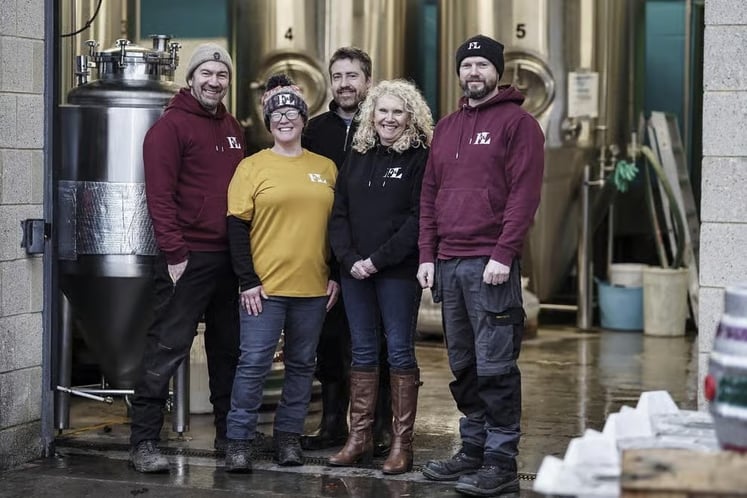
Support for local brewery

Key Documents
Download key project documents here. To view all scoping appendices, scoping opinions and project information.
